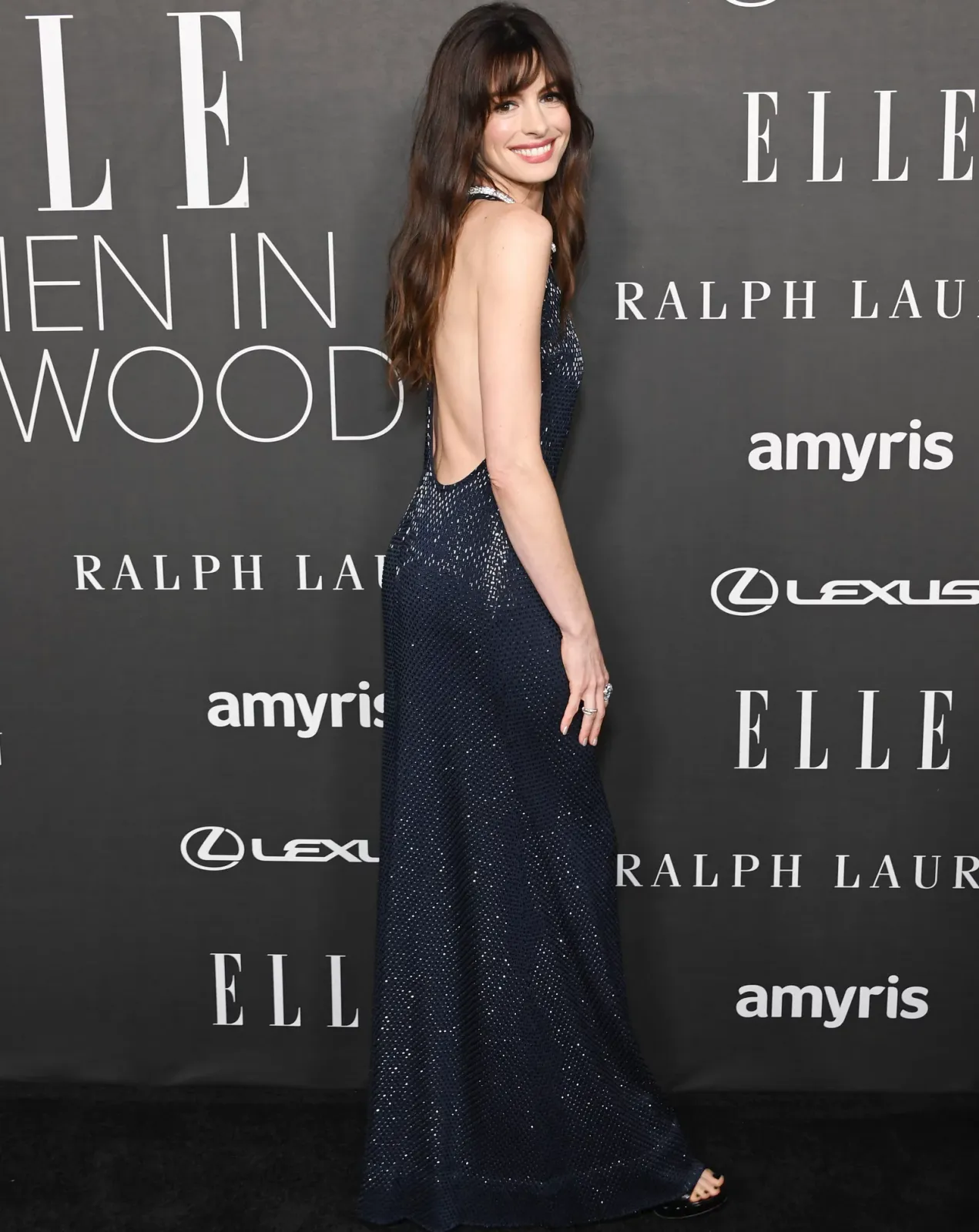
Anne Hathaway is a Deep Winter. Here is why she always looks stunning.
It's not the designer. It's not the stylist. It's the colour.
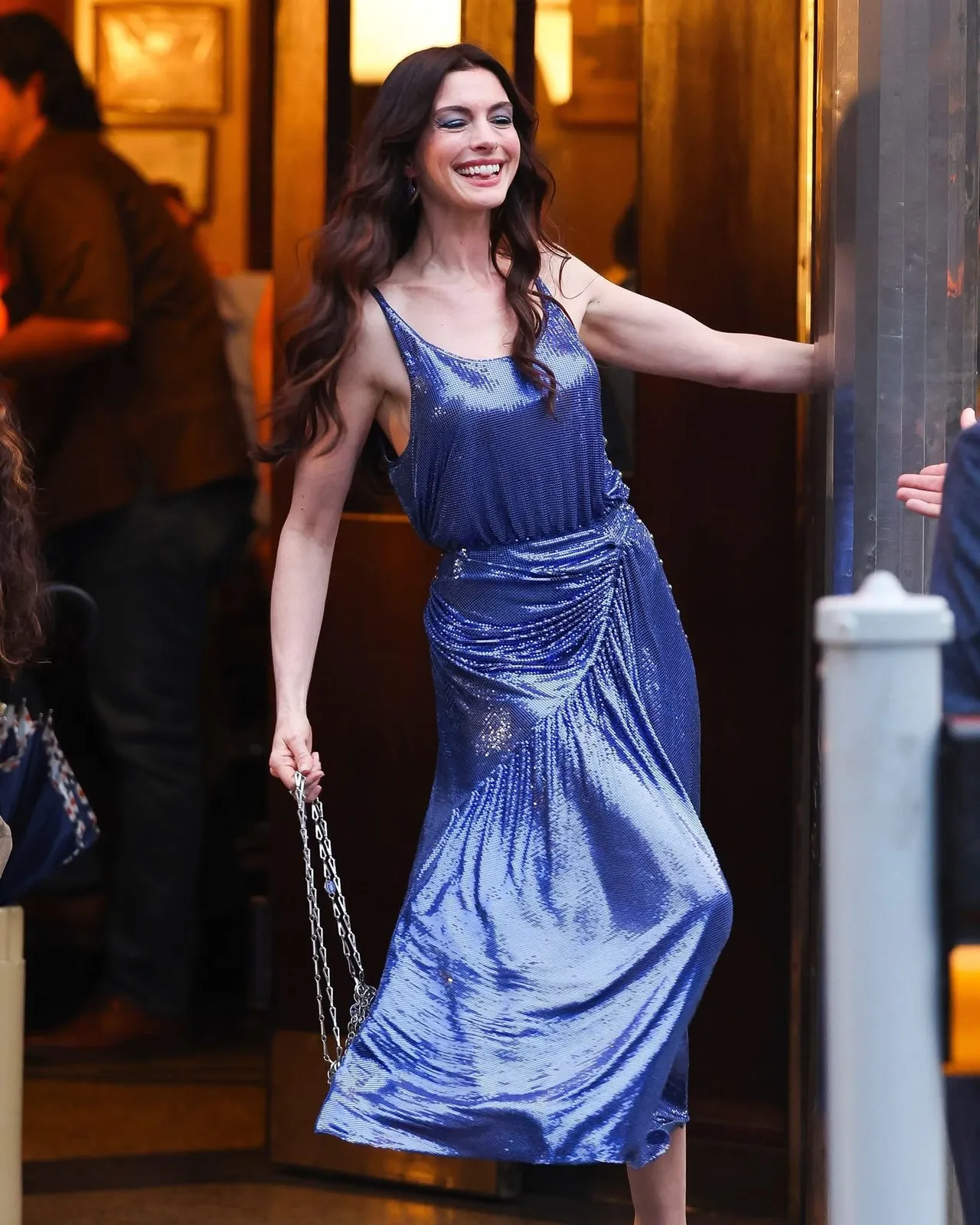
There's something that happens when Anne Hathaway walks a red carpet in the right outfit. It's not that she looks beautiful (she always looks beautiful). It's that she looks inevitable. Like the colour she's wearing was made specifically for her skin.
That emerald green coat. The midnight navy Armani gown. The icy white at the Oscars. The deep cobalt that made her eyes look like they were lit from within.
And then there are the looks that don't quite land. The ones where she still looks lovely, but something is slightly off. The colour is fine. The cut is fine. But the effect is flatter, somehow less her.
The difference between those two categories is not the designer, the styling team, or the occasion. It's colour season.
What is colour season?
Colour season is the system used by professional colour consultants to identify which colours harmonise with a person's natural colouring: their skin undertone, hair depth, and the contrast between their features.
The premise is straightforward. Every person has a set of colours that actively work with their colouring, making their skin look clear and luminous. And a set that work against it, making their skin look flat, shadowy, or washed out.
The seasonal system groups these palettes into twelve types, organised by the three key characteristics of colour: temperature (warm or cool), depth (light or dark), and saturation (clear or muted).
Anne Hathaway is a Deep Winter.
What does Deep Winter mean?
Deep Winter is the season defined by high contrast, cool undertone, and rich depth. The palette is built on colours that are dark, saturated, and cool-based: midnight navy, bottle green, cold burgundy, deep aubergine, ink blue, black cherry.
It is the season for people whose colouring has natural drama. Dark hair, cool or neutral skin, and a high contrast between their features. The kind of colouring where pale, muted, or warm colours quietly disappear, and deep, jewel-toned, cool colours create an almost electric effect.
Anne Hathaway has exactly this colouring. Dark brown hair. Cool, pale skin. Strong contrast between her features. When she wears a colour from her season, the harmony between the colour and her colouring creates that inevitable quality. Her skin looks extraordinary. Her eyes become the focus. The look reads as effortless even when it took a team of people to construct.
What are Anne Hathaway's power colours?
The colours that consistently make Anne Hathaway look her most striking are:
Midnight navy: a cool, deep blue with no warmth in it. Rich and dramatic without the harshness of pure black.
Bottle green: a dark, cool forest green. One of the most powerful colours in her palette against her pale, cool skin.
Cold burgundy: a blue-based burgundy, closer to wine than to rust. Dramatically different in effect from warm reds or terracotta.
Deep aubergine: a dark purple with cool undertone. Extraordinary against high-contrast colouring.
Ink blue: a deep, saturated blue. Not navy-soft, not bright-cobalt. Exactly the intensity that Deep Winter colouring needs.
Black cherry: the darkest, coolest red. The version of red that works for a Deep Winter rather than washing them out.
Notice what all of these have in common: they are cool, they are deep, and they are fully saturated. No warmth, no muting, no pastel version of anything.
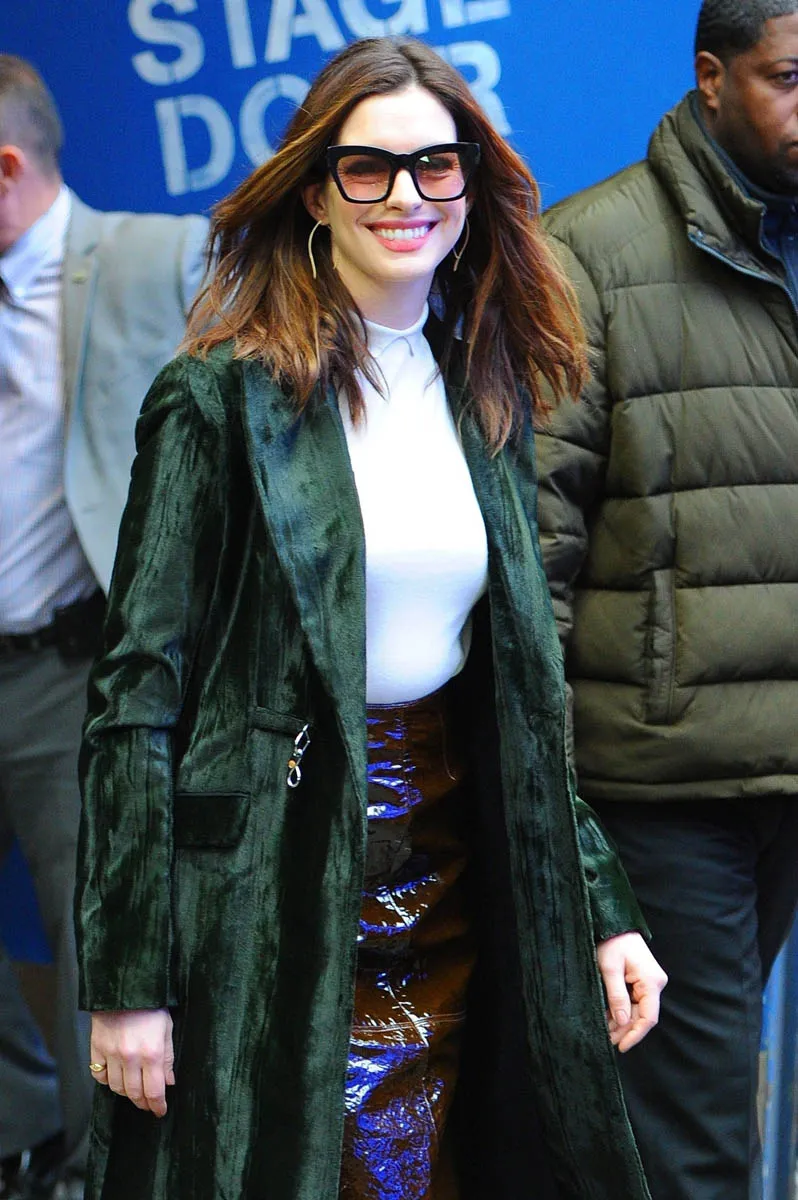
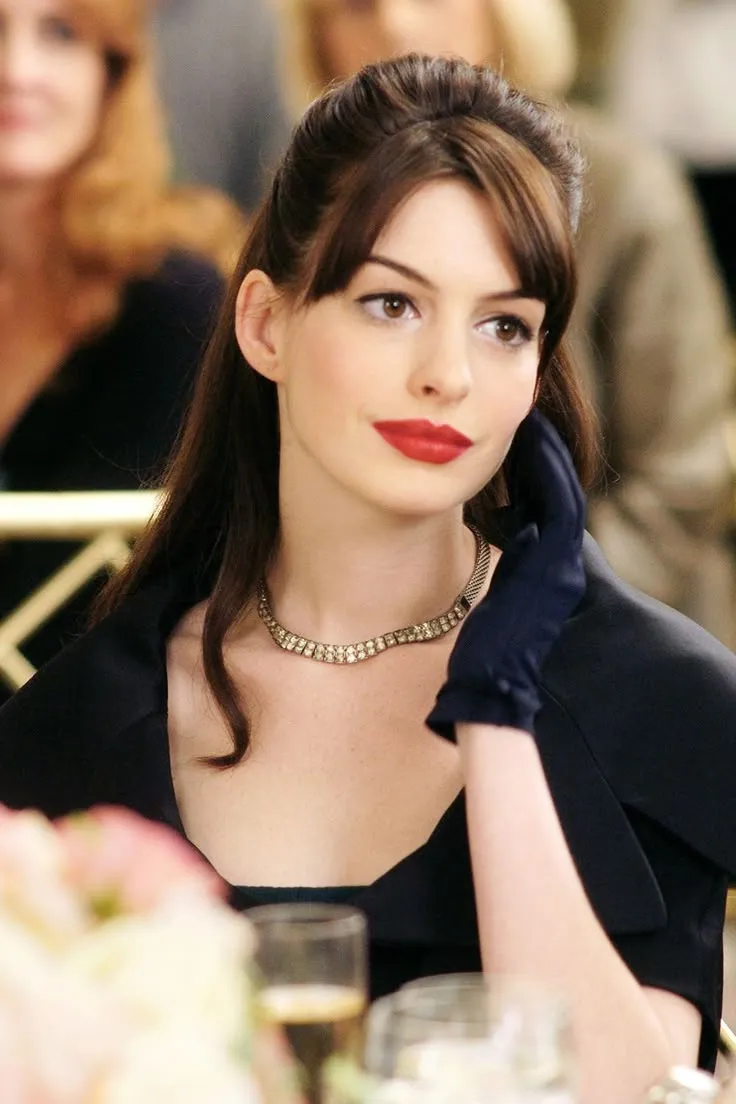
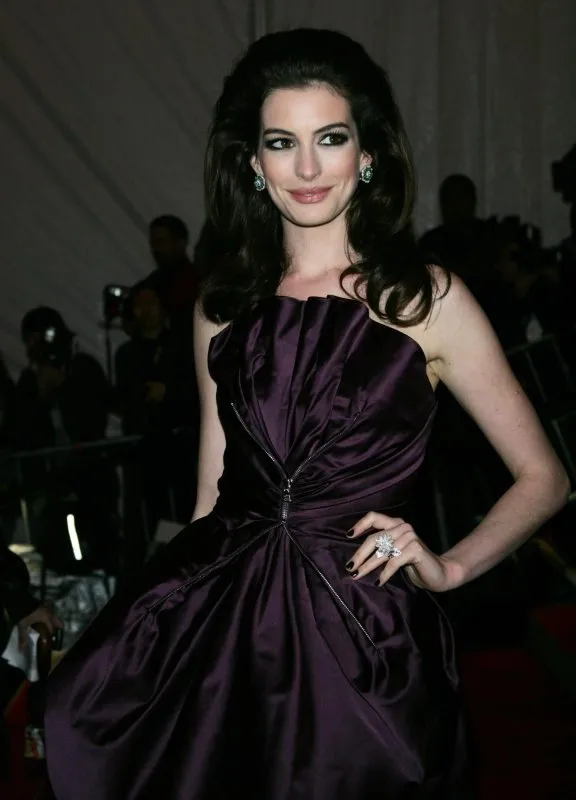
Why do some of her looks fall flat?
The looks that don't quite land on Anne Hathaway tend to have one of two characteristics.
They are too warm. Camel, cream, warm beige, golden yellow. These are colours built for warm-toned colouring. On cool skin with her depth and contrast, warm colours create a subtle disconnection. The colour and the skin aren't fighting, exactly, but they're not harmonising either. The overall effect is slightly muted.
Or they are too light or too muted. Soft pastels and blended neutral tones are designed for people with low-contrast, light, or muted colouring. They have the opposite of the bold, rich, saturated effect that Deep Winter colouring needs. On Anne Hathaway, they can read as slightly underwhelming: perfectly fine, but not the full effect she's capable of.
This isn't a criticism of the outfits themselves. It's a colour science observation. The same look that feels a little flat on her would be genuinely perfect on someone whose season is designed for that palette.
So what does this have to do with your wardrobe?
Here's the thing: this isn't a celebrity exercise. It's a demonstration of something that applies to everyone.
You have colouring as specific as Anne Hathaway's. You have a season: a set of colours that creates that inevitable, harmonious effect when you wear them, and a set of colours that quietly works against you no matter how much you like them on the hanger.
Most people spend their entire lives shopping by trend, by what they like, or by what fits, and wondering why some days everything looks right and other days it doesn't. The wardrobe doesn't change. The person doesn't change. But the colours do.
Knowing your season doesn't restrict you. It focuses you. It means every colour in your wardrobe is working with you rather than against you. And it means you stop buying things that look great in the shop and wrong when you get them home.
How do I find out my colour season?
The traditional route is an in-person colour analysis with a trained consultant: a session involving draping different fabric colours next to your face to observe how each one affects your skin. It's highly accurate and for many people, genuinely life-changing. It's also typically several hundred pounds and not always easy to access.
mycolours.ai is a professional-grade alternative. Built on real colour consultancy expertise, not a generic quiz, it analyses two selfies to identify your exact season, build your personal 19-colour palette, match your makeup shades, give hair colour guidance, and produce a 14-piece capsule wardrobe tailored to your colouring. For £7.99.
The same expertise behind understanding why bottle green makes Anne Hathaway look extraordinary is the same expertise behind every mycolours.ai analysis.
Questions, answered
Anne Hathaway is a Deep Winter. Her colouring, dark hair, cool pale skin, and high contrast between her features, places her firmly in this season. Her best colours are deep, cool, and saturated: midnight navy, bottle green, cold burgundy, deep aubergine, ink blue, and black cherry.
Because dark, cool, saturated colours are her season. Deep Winter colouring has natural drama and high contrast. Colours that match that depth and coolness create harmony between the colour and the person, which reads as effortless and striking. Lighter or warmer colours don't create the same effect because they don't have enough intensity to match her natural colouring.
Deep Winter is one of the twelve seasons in the seasonal colour analysis system. It is characterised by cool undertone, high contrast, and the need for deep, saturated colours. People who are Deep Winter look best in colours like midnight navy, cold burgundy, bottle green, deep aubergine, and pure black. Warm, muted, or pale colours typically drain or flatten Deep Winter colouring.
Deep Winter colouring tends to have dark hair (naturally dark brown or black), cool or neutral skin tone, and strong contrast between skin and hair. Eyes are often dark brown, deep hazel, or strikingly light against dark features. If you've always looked best in jewel tones and found warm or pastel colours flattering but not quite right, Deep Winter may be your season. A professional colour analysis will confirm this accurately.
Yes. mycolours.ai delivers professional-grade colour analysis from two selfies. You receive your exact season, a 19-colour personal palette, makeup matches, hair guidance, and a capsule wardrobe, all built on real consultancy expertise. Start your analysis at mycolours.ai.
Both are cool-toned seasons, but they differ in depth and saturation needs. Cool Winter (True Winter) can carry pure, clear, vivid colours: bright cobalt, true red, ice white. Deep Winter needs more depth, darker and richer versions of cool colours. Deep Winter colouring typically has more intensity and darkness overall than Cool Winter, and the palette reflects this.
Melissa O'Neill
Style Editor at mycolours.ai
Melissa O'Neill is the style editor at mycolours.ai. She started her career on the Paul Smith concession at Harrods, where she learned that the difference between looking ordinary and looking incredible often comes down to colour, not cost. She has since built and run luxury boutique hotels, businesses where every detail, from the linen shade to the lighting warmth, was chosen to make people feel something. She started mycolours.ai because she believes the tools to look and feel your best should not cost £300 or require a stylist on speed dial.
A real report, page by page.
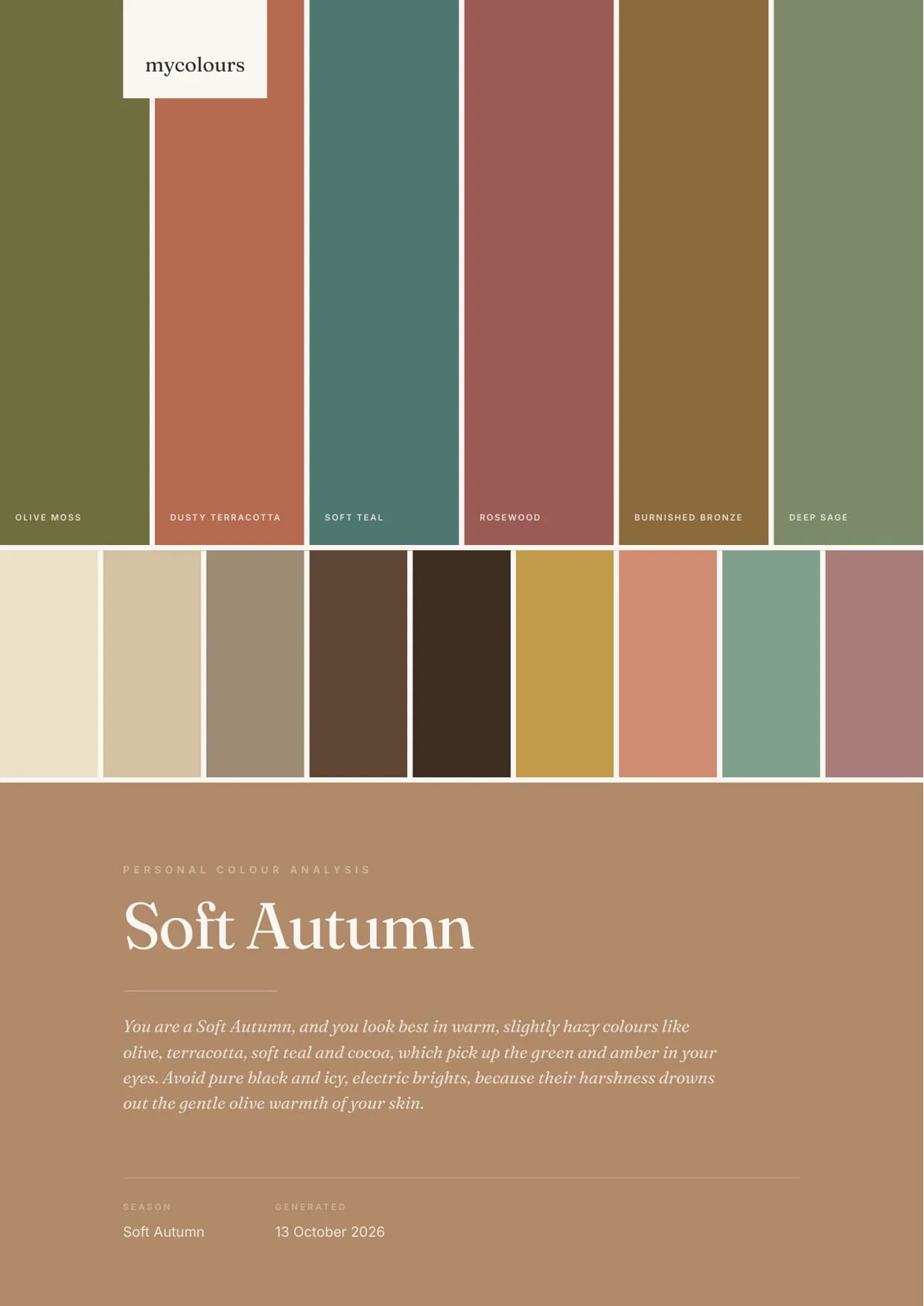
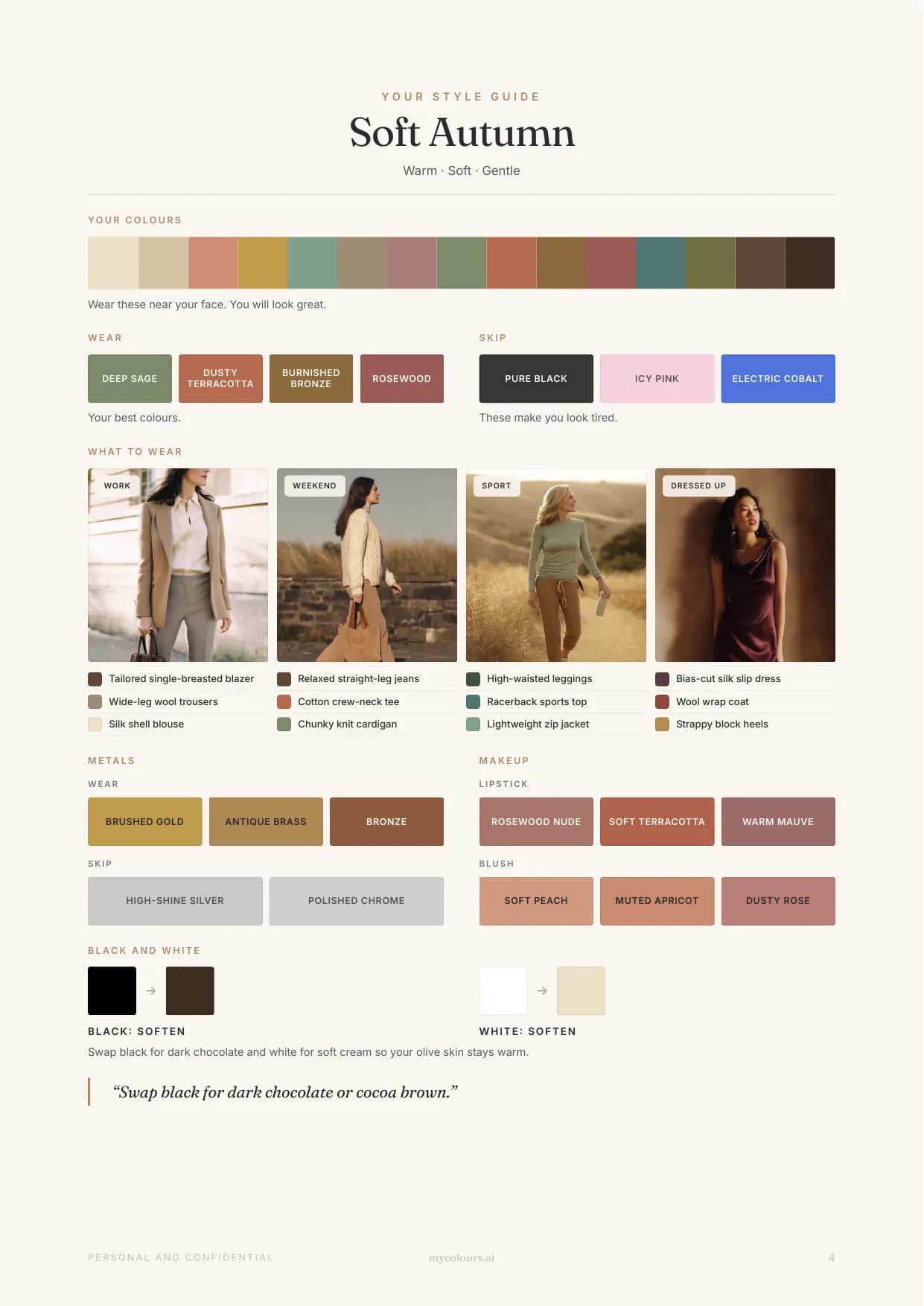
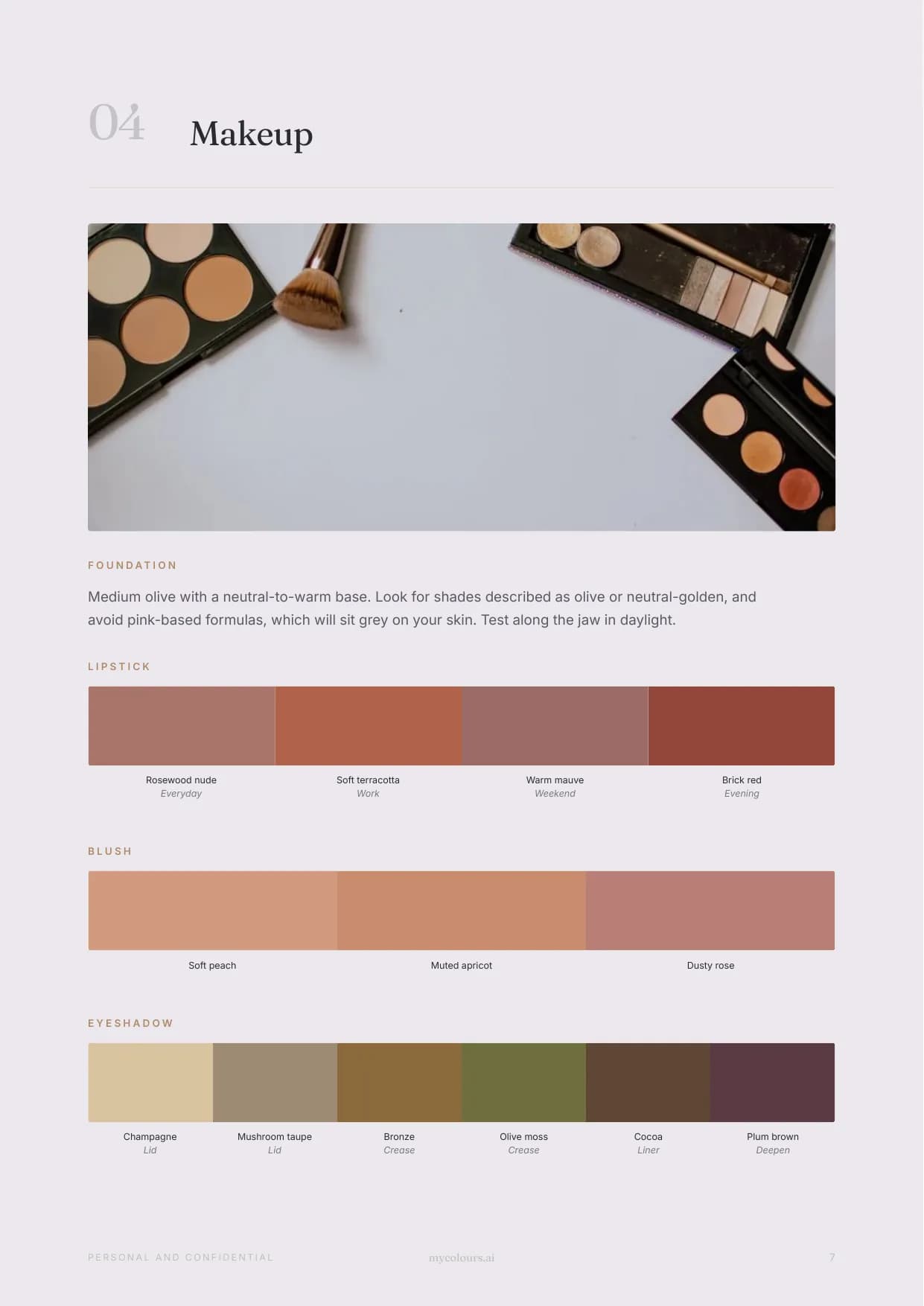
These pages come from a genuine sample report, made by the same analysis that will read your photos. Yours is built from your own two selfies.
- Your season, and why, read from your skin, hair and eyes
- Your 19-colour palette, every colour named, with its code
- Makeup, hair colour and wardrobe guidance
- A PDF report to keep
More on colour
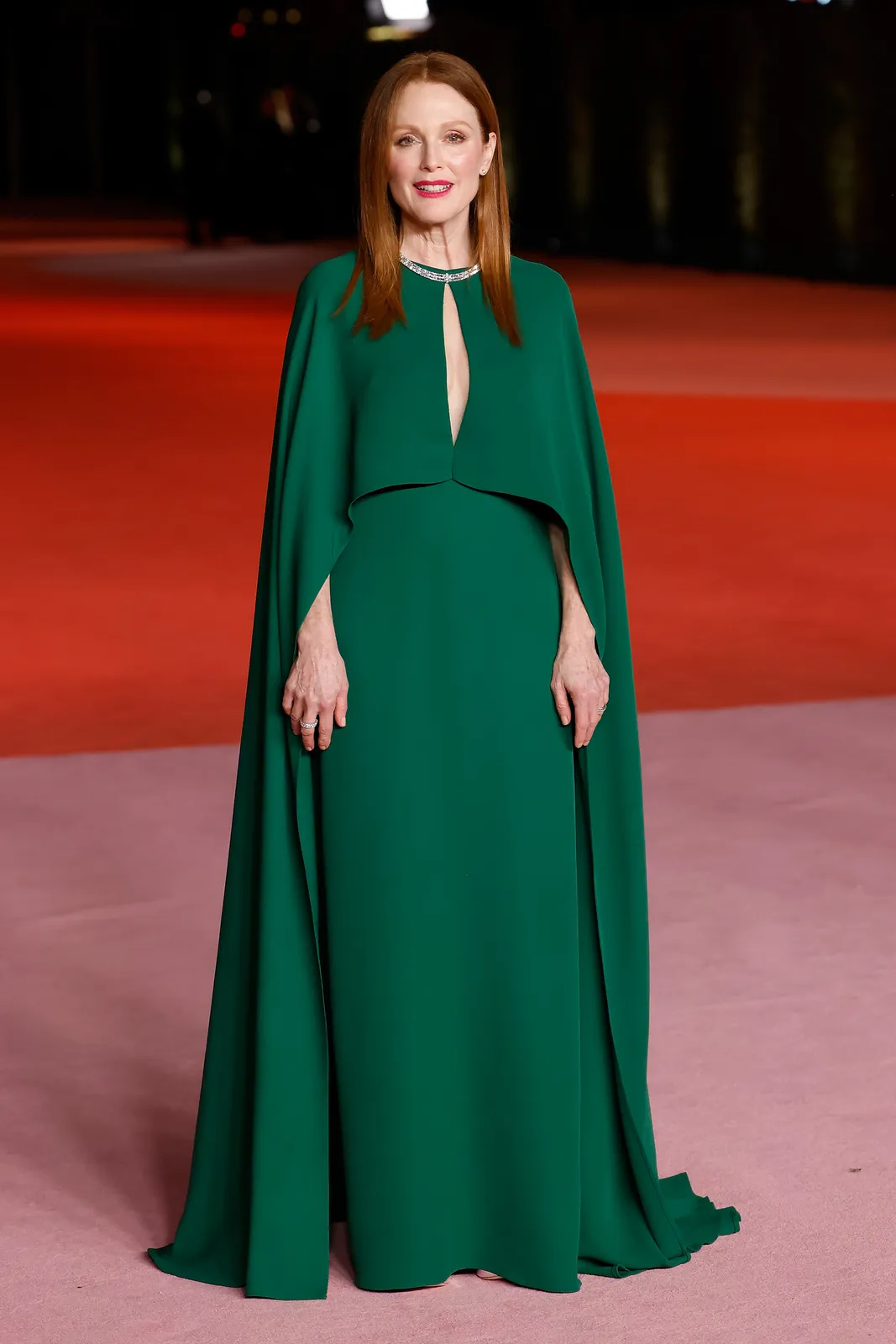
What Julia Roberts, Julianne Moore and Amy Adams have in common, and why it matters for your wardrobe
Julia Roberts, Julianne Moore and Amy Adams are all warm-toned, but belong to different seasons. Understanding why reveals something fundamental about how colour actually works.
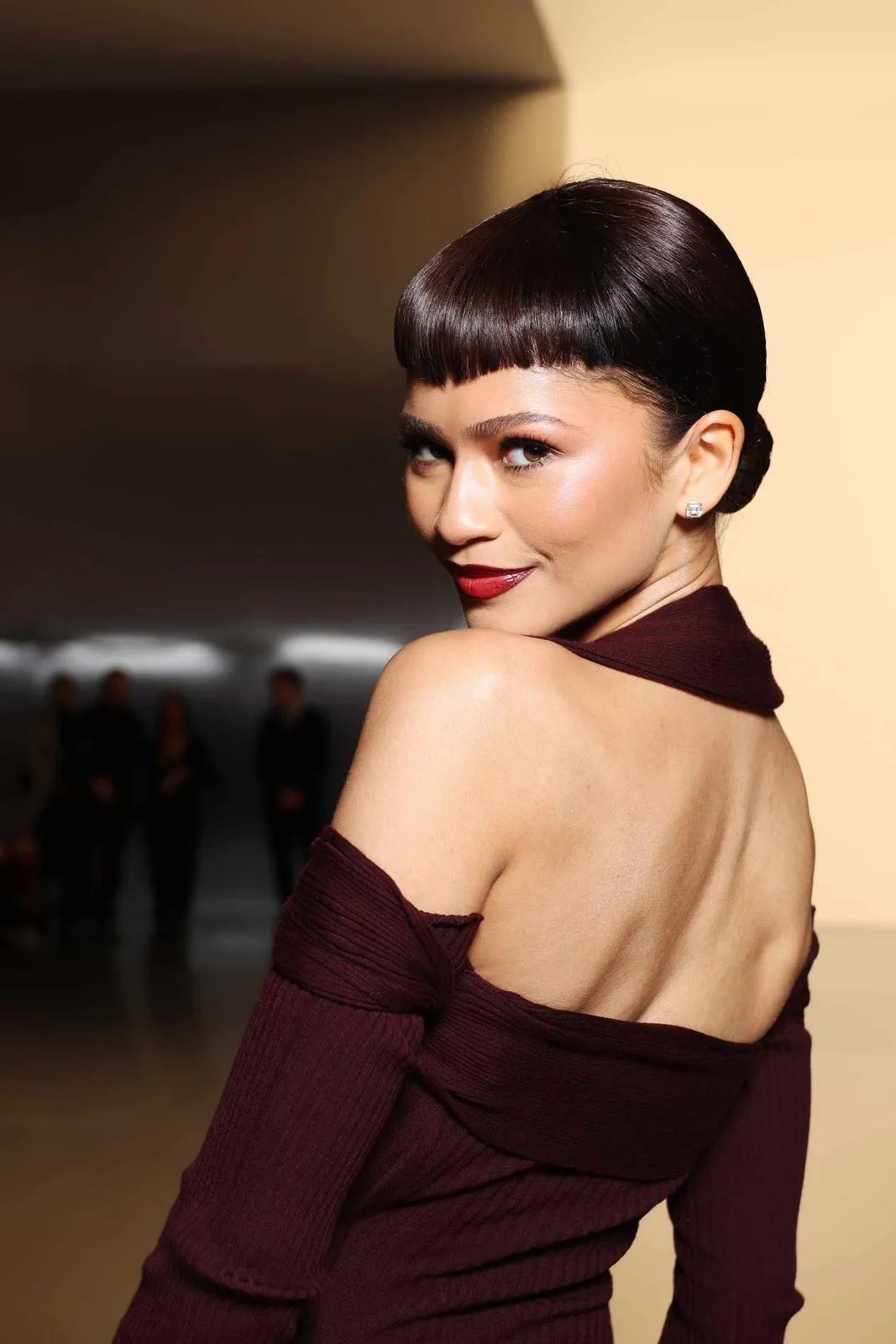
Zendaya's red carpet secret isn't the designer. It's the colour.
Zendaya is a Deep Autumn, and the colours that make her extraordinary are no accident: warm, rich, and deeply saturated, they work with her colouring rather than against it.
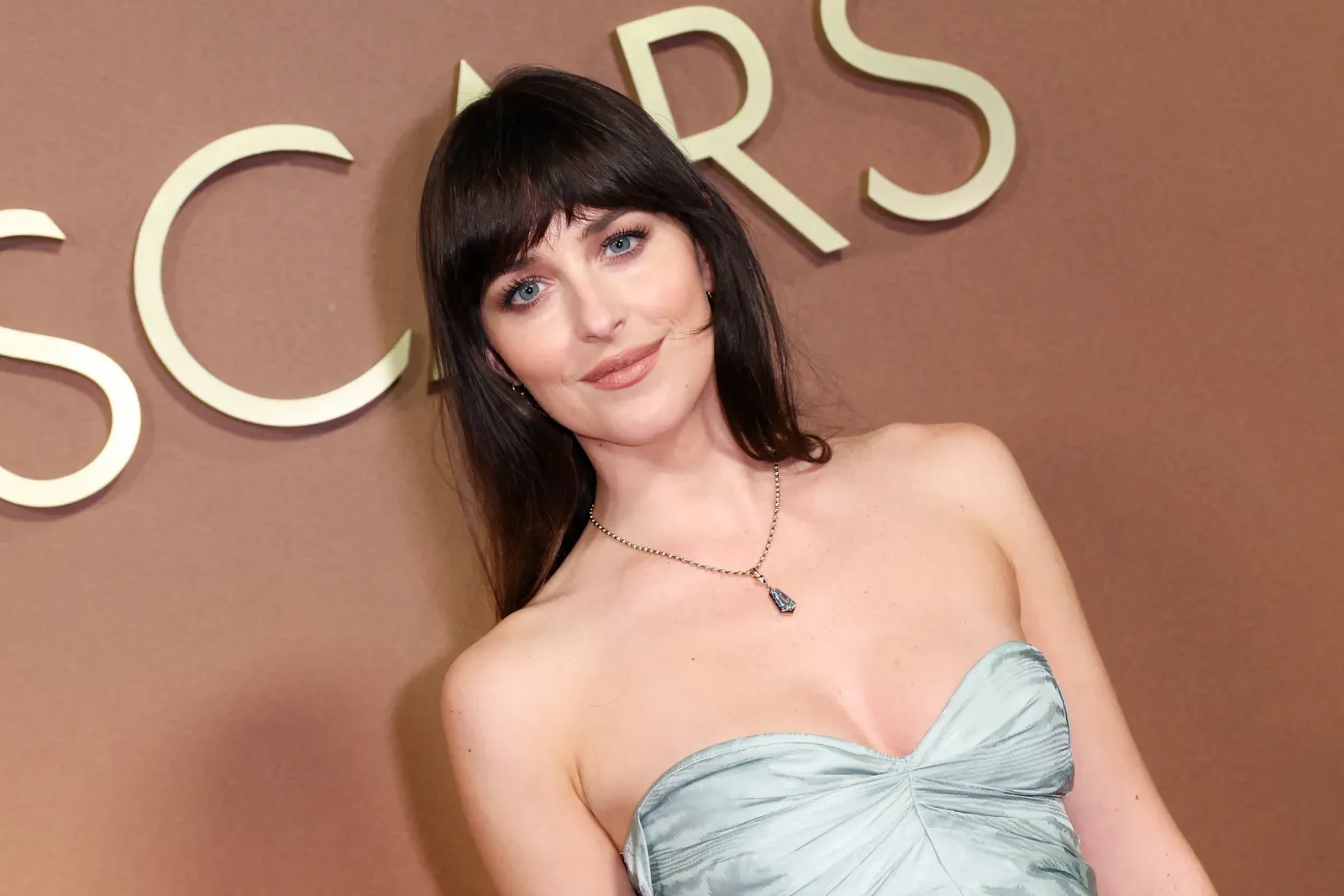
Dakota Johnson always looks effortless. Here is the colour reason why.
Dakota Johnson's quietly consistent style has a colour reason behind it: she is a Soft Summer, and her best looks prove exactly what that means.
Your exact colours, from two selfies.
mycolours reads your skin, hair, and eyes and returns your colour season, a 19-colour palette, makeup matches, hair guidance, and a capsule wardrobe in a few minutes, for $9.99.