
Why black doesn't suit everyone, and what to wear instead
The most assumed "safe" colour is quietly causing more wardrobe problems than almost anything else.
Black is supposed to be the answer. When in doubt, wear black. It goes with everything. It's slimming. It's professional. It's classic. It suits everyone.
Except it doesn't. And quietly, for a significant proportion of people, black worn near the face is one of the most draining things they own.
This is worth saying plainly, because the mythology of black as a universal neutral has led an enormous number of people to build wardrobes around a colour that is actively working against them.
Why does black suit some people extraordinarily well?
Black is a high-contrast, cool, deeply saturated colour. It works best on people whose natural colouring shares those characteristics: high contrast between features, cool undertone, and the kind of depth and intensity that can hold its own against the most visually dominant colour in existence.
This is why black looks extraordinary on people like Anne Hathaway, Monica Bellucci, or Courteney Cox. Their natural colouring is cool, high-contrast, and has real depth and definition. Against that kind of colouring, black does exactly what its reputation promises: it creates drama and presence, it defines, it sharpens.
For people in Cool Winter, Deep Winter, or Clear Winter seasons, black is genuinely their colour. Worn near the face, it makes their skin look clear and their features striking. These are the people for whom the "black suits everyone" claim is true, and because they experience it as true, they say it.
Why does black not suit everyone?
For a significant proportion of people, black worn near the face does the opposite of what they expect.
For warm-toned people: black has no warmth in it. It is a cool, neutral colour with a blue-based quality. Against warm golden, peachy, or earthy skin, black creates an undertone conflict. The skin looks slightly sallow or dull, and the face can appear to recede from the fabric rather than being lifted by it.
For people with light or delicate colouring: black has extreme depth and contrast. Against very light features, fair skin, light hair, light eyes, the contrast is so high that the colour dominates the person rather than framing them. The face can look pale or drawn by comparison, as though the clothes are wearing the person rather than the other way around.
For people with soft or muted colouring: black has high saturation and sharp edges. Against naturally blended, muted colouring, it creates a jarring quality. The softness of the features and the hardness of the black are not speaking the same visual language.
Why does the problem often go unnoticed?
Several reasons. Black is so deeply embedded in wardrobe culture that most people don't question it. It is also frequently worn in artificial light, which flatters almost everything more than natural light does. And because everyone wears black, there is rarely a comparison point to show what a different colour would do.
The moment people often notice is when they find a colour that works unexpectedly well, particularly near the face, and realise retrospectively that most of their wardrobe doesn't create that effect.
What to wear instead of black
The alternative is not to avoid dark colours. For many people, dark colours are important wardrobe anchors. It is about finding the specific dark colour that works with their colouring rather than against it.
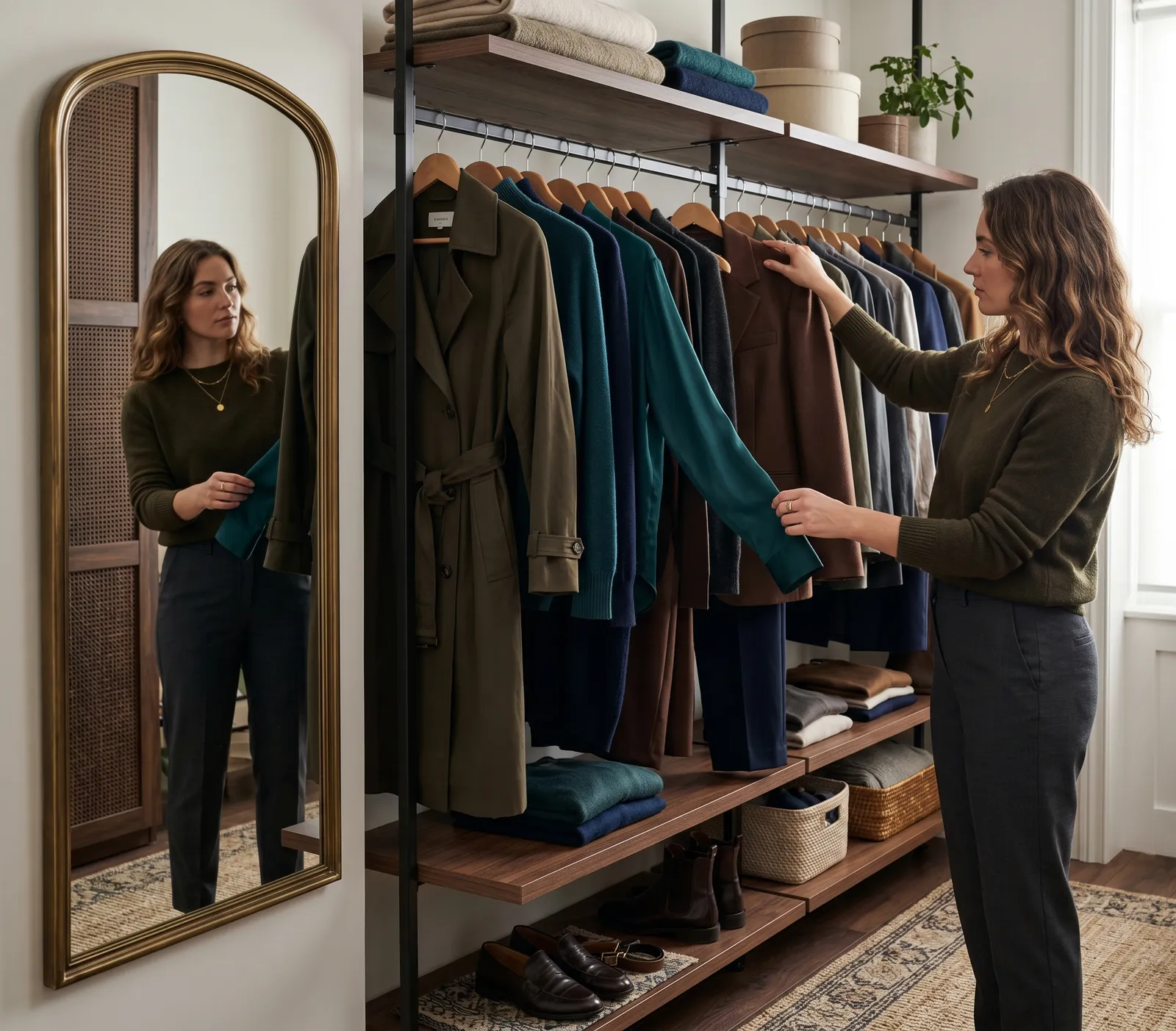
For warm autumn seasons: dark olive, chocolate brown, warm charcoal with a brown cast, deep teal, and dark warm navy. These have the depth and presence of black without the cool, flat quality that conflicts with warm colouring.
For warm spring seasons: deep camel, warm chocolate, forest green, and dark warm teal. Warmer and slightly lighter than autumn's palette but with real depth.
For cool summer seasons: dark navy, deep charcoal with a cool cast, and deep plum. Cool and dark, but softer and more blended than black.
For soft autumn and soft summer seasons: dark muted tones within the season. Charcoal with warmth, dark greyed greens, deep dusty mauve. Depth without the stark quality of pure black.
For spring seasons: navy, deep warm teal, and dark olive often serve where black would be the instinct. The depth is there; the temperature is right.
The author's perspective
I have seen the black conversation happen many times, and there is always a moment when someone tries a different dark colour that is right for their season and something clicks. It is not that they suddenly look dramatically different. It is that they look like themselves, clearly, without the slight effort that black near the face was requiring.
The idea that black is safe is understandable. It is the colour most associated with neutrality and professionalism. But safety and flattery are not the same thing. The genuinely safe colour for anyone is the one that harmonises with their colouring. For some people that is black. For many others it is something slightly different, and that difference is more significant than it sounds.
How to test whether black works for you
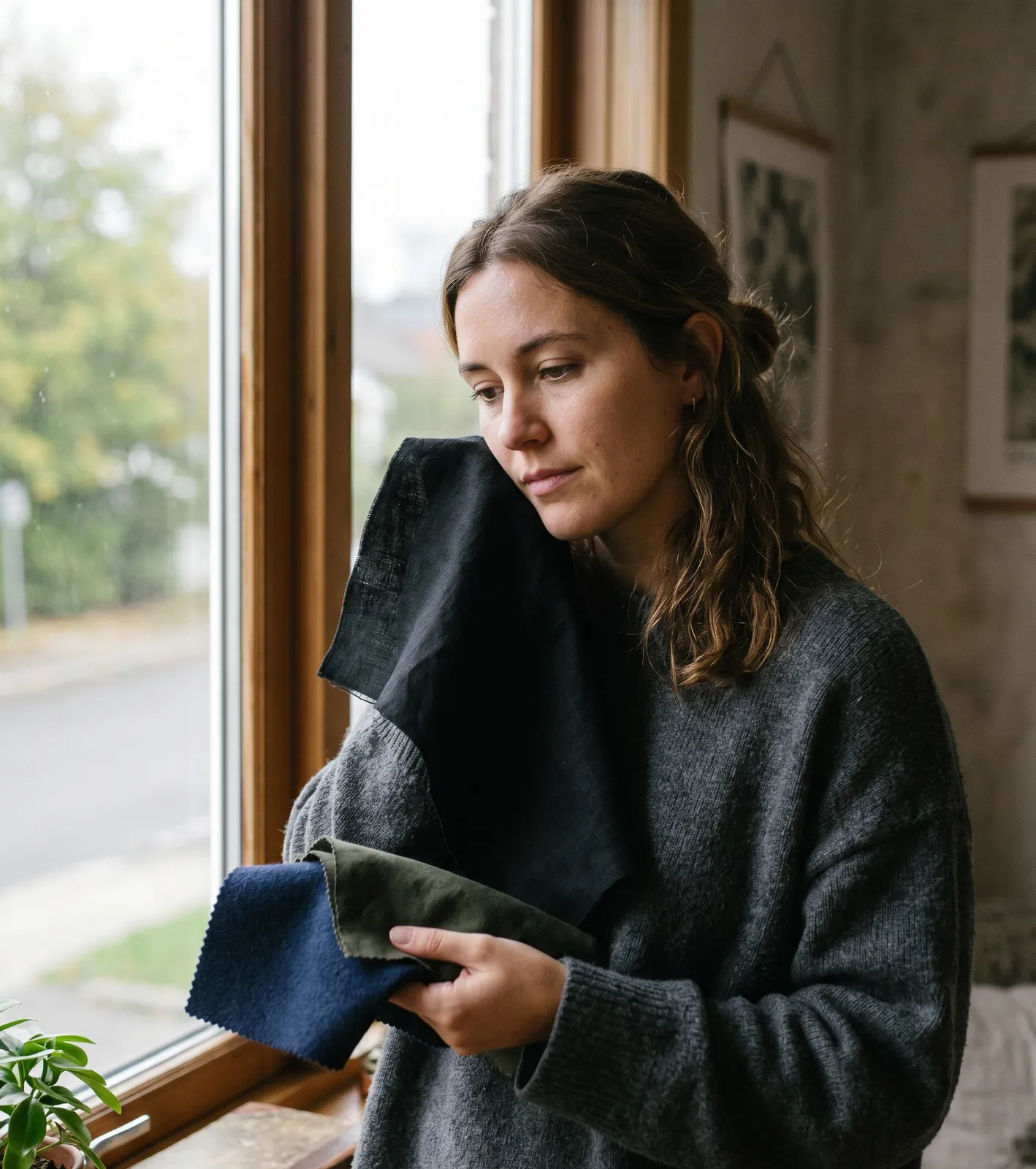
Natural light is the only reliable test. In a room with good natural daylight, hold a piece of black fabric against your bare face and observe what happens.
Watch for: shadows deepening under your eyes and around your nose. Skin looking greyer or more uneven. Features appearing less defined. A sense that you look tired or drawn.
Then hold a different dark colour, navy, deep olive, dark brown, and compare the effect. For many people, the difference is immediate and obvious.
Questions, answered
Yes. Colour analysis is about what works near the face. Black in a trouser, a bag, or a shoe is rarely the problem. The issue is black near the face, in a top, a jacket, or a neckline detail. Below the waist, the rules are much more relaxed.
This is extremely common. The practical answer is to introduce your season's dark neutrals alongside your existing black, and to use scarves, necklaces, or open-collar layering to put a better colour closest to your face even when wearing black underneath.
Artificial light and camera settings are more forgiving than natural daylight. Photos, particularly with flash or studio lighting, flatten and equalise in ways that make almost everything look fine. Natural light is where the truth is.
Every season has its equivalent of black, the darkest, most versatile neutral in the palette. For warm seasons it is typically a dark brown or deep olive. For cool muted seasons it is a deep charcoal or navy. For winter seasons it is often genuinely black, or for cool winter types, a true navy.
mycolours.ai identifies your complete season and palette from two selfies, including the dark neutrals specific to your colouring. Start your analysis at mycolours.ai.
Melissa O'Neill
Style Editor at mycolours.ai
Melissa O'Neill is the style editor at mycolours.ai. She started her career on the Paul Smith concession at Harrods, where she learned that the difference between looking ordinary and looking incredible often comes down to colour, not cost. She has since built and run luxury boutique hotels, businesses where every detail, from the linen shade to the lighting warmth, was chosen to make people feel something. She started mycolours.ai because she believes the tools to look and feel your best should not cost £300 or require a stylist on speed dial.
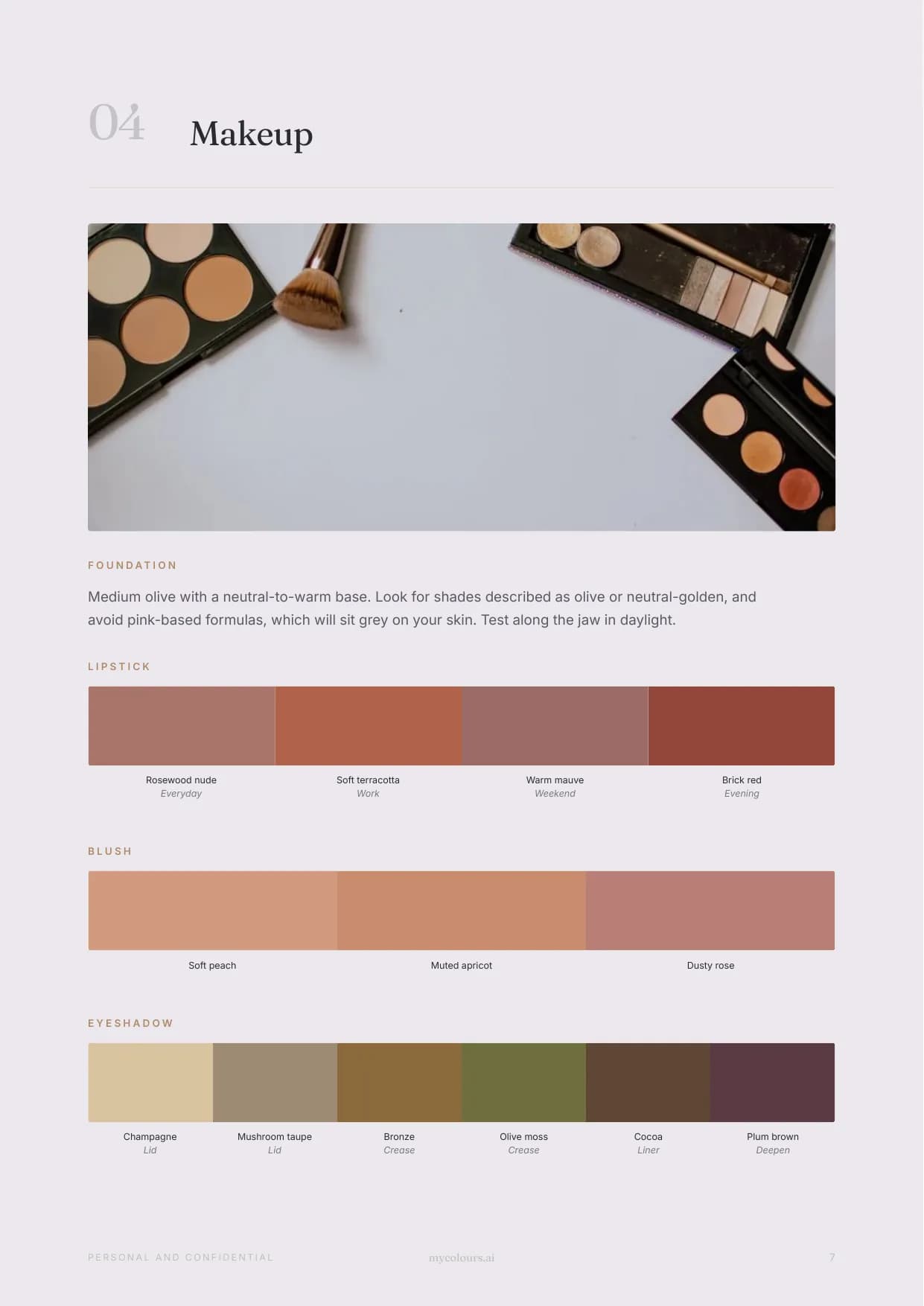
A real report, page by page.
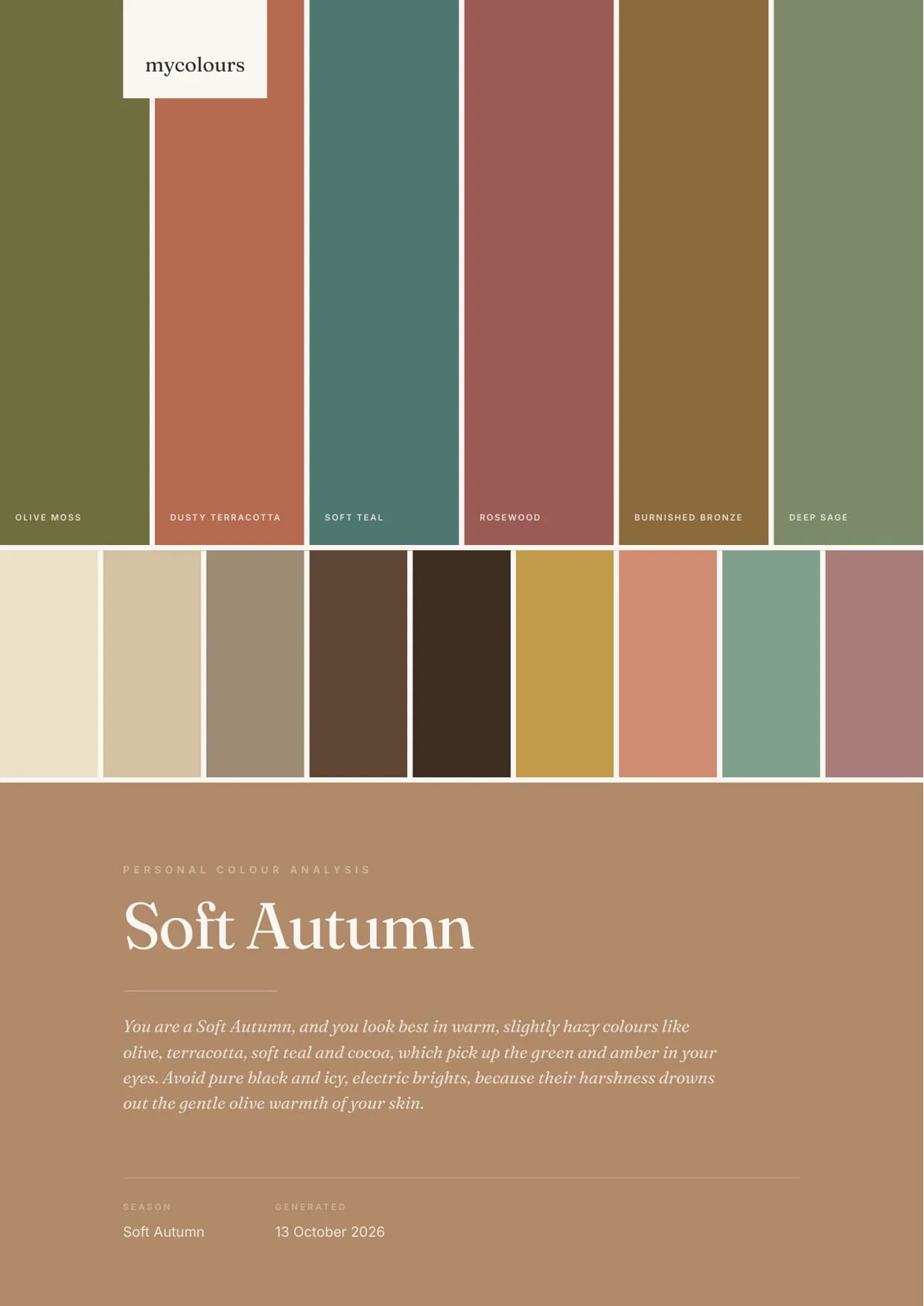
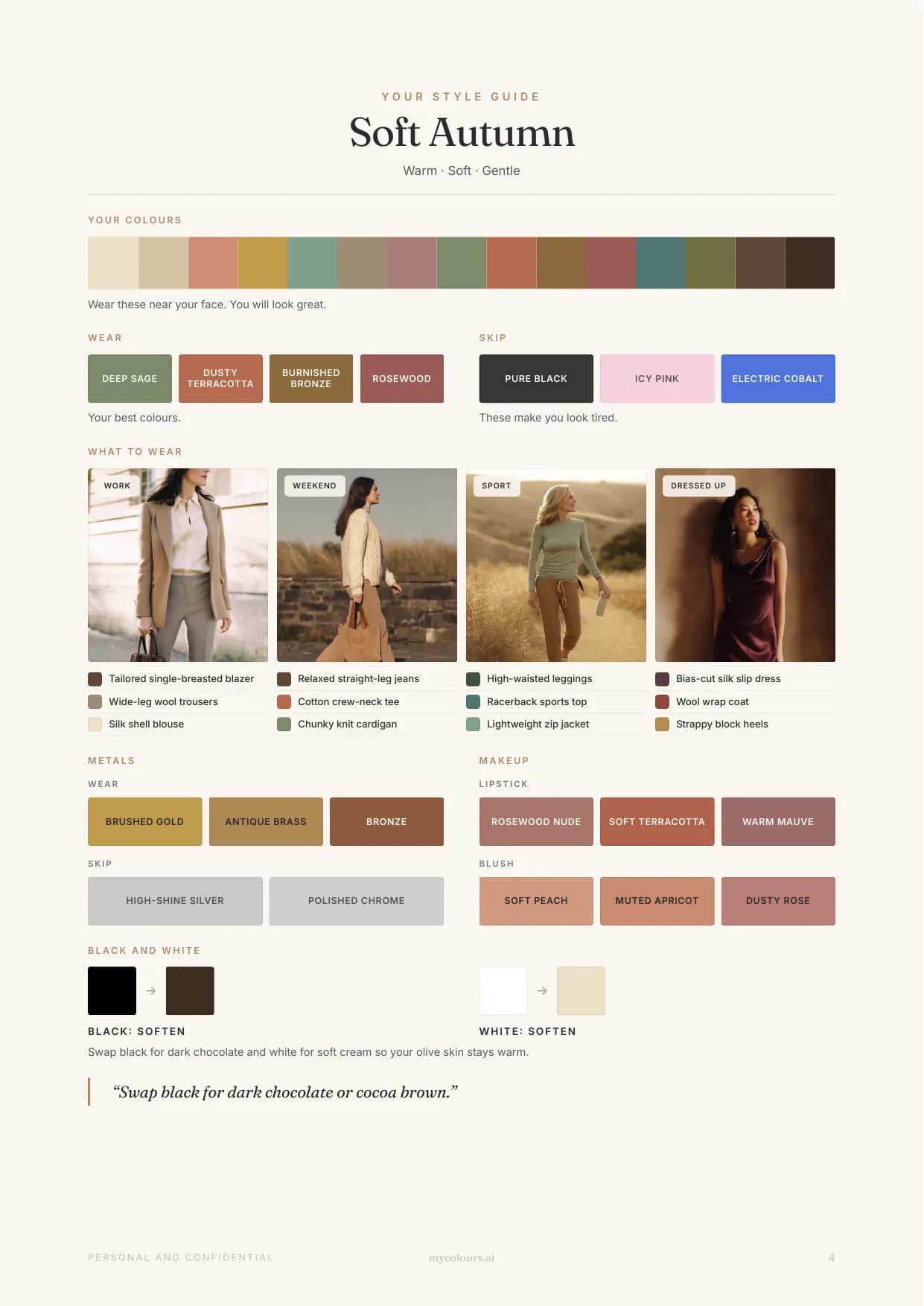
These pages come from a genuine sample report, made by the same analysis that will read your photos. Yours is built from your own two selfies.
- Your season, and why, read from your skin, hair and eyes
- Your 19-colour palette, every colour named, with its code
- Makeup, hair colour and wardrobe guidance
- A PDF report to keep
More on colour
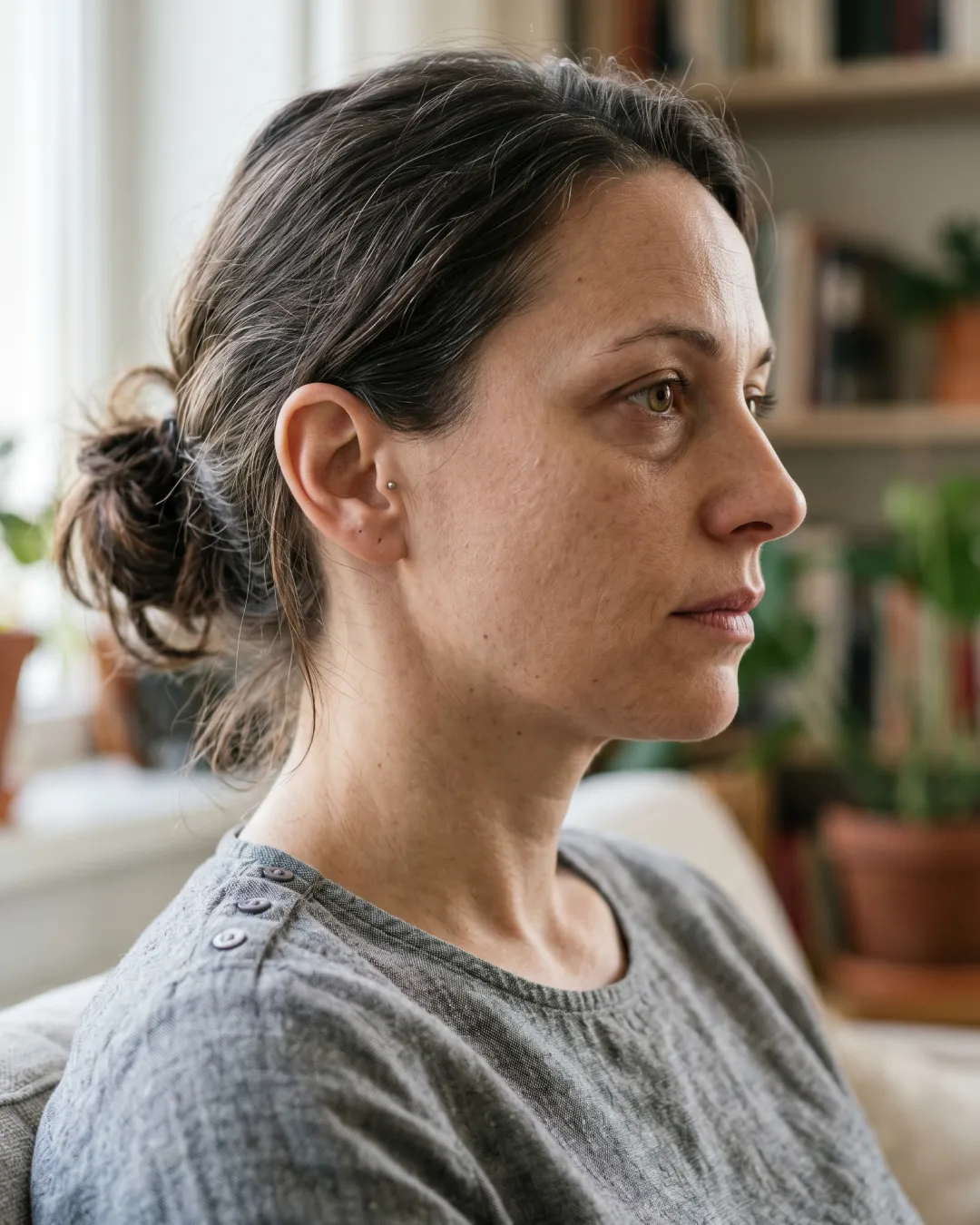
Why do some colours make me look tired?
A perfectly nice outfit can still leave you looking drained. Here is how undertone, depth and contrast decide whether a colour lifts your face or flattens it.

The colour mistake most women make without knowing it
Most wardrobes are built on neutrals that feel safe, but neutrals are not neutral. Here is why getting the temperature of your basics right changes everything.
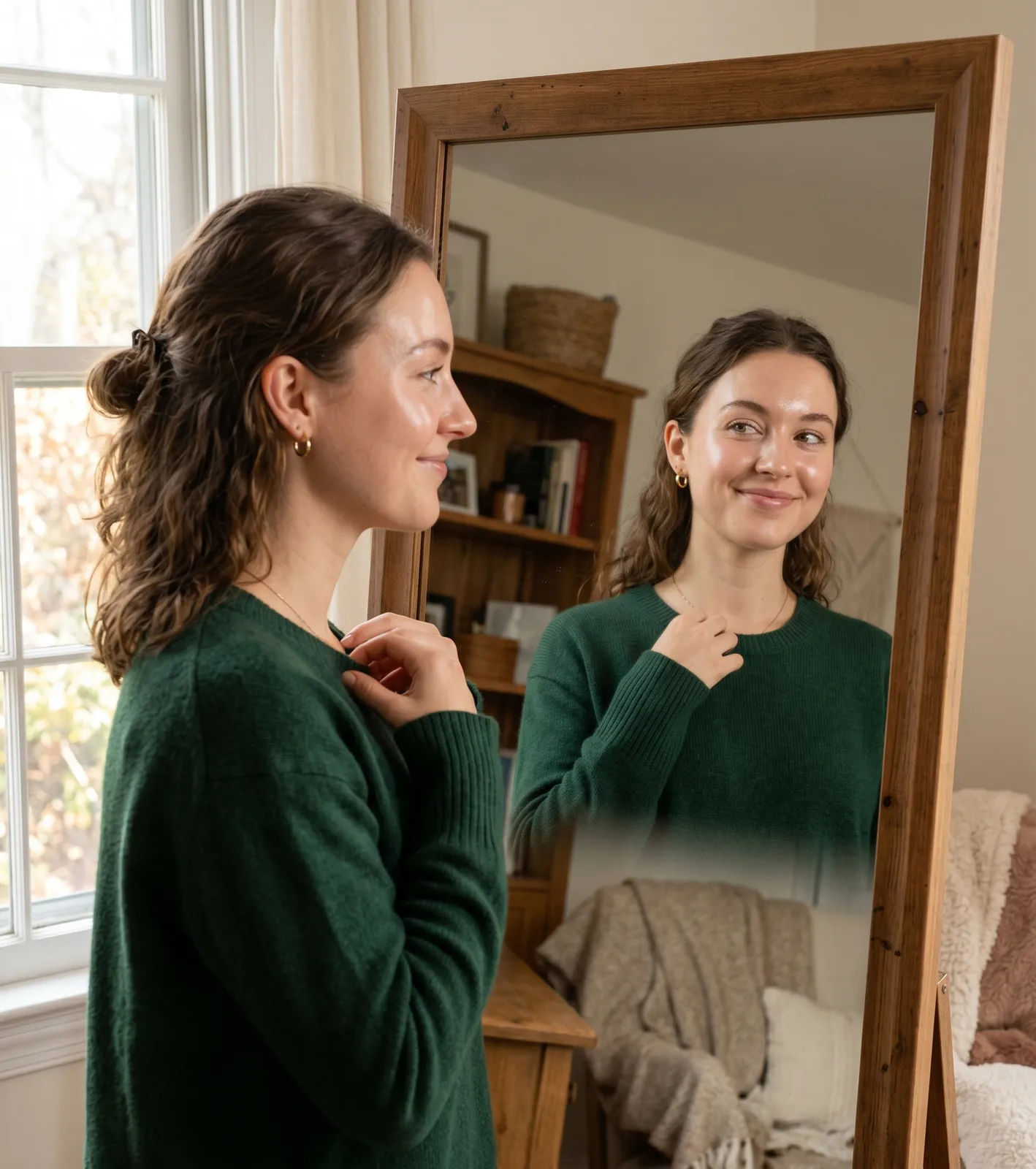
Why some clothes make you glow and others make you disappear
Some outfits just look right. Others fall flat. The difference comes down to three colour variables, and understanding them changes how you get dressed forever.
Your exact colours, from two selfies.
mycolours reads your skin, hair, and eyes and returns your colour season, a 19-colour palette, makeup matches, hair guidance, and a capsule wardrobe in a few minutes, for $9.99.